Cosmetic Dentistry for Discolored Teeth: Treatment Possibilities
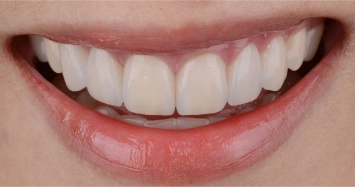

A discolored tooth can change the way a person smiles long before it causes pain. I have seen patients cover their mouths when they laugh, angle themselves away from cameras, or ask for the lights to be dimmed before they even sit in the chair. The stain may be mild, a tea-darkened edge near the gumline, or dramatic, a single front tooth that turned gray after an old injury. Either way, the concern is rarely superficial. Teeth sit at the center of the face, and even small changes in shade can feel outsized.
Cosmetic Dentistry offers several ways to improve tooth color, but the right choice depends on a detail many people miss at first: not all discoloration is the same. Some stains sit on the surface and respond beautifully to whitening. Others are built into the tooth structure or tied to prior dental work, trauma, medications, or age. In those cases, bleaching alone may disappoint, and a more tailored treatment is often the better investment.
The most useful conversations about discolored teeth begin with diagnosis, not product recommendations. Before discussing whitening gels, bonding, veneers, or crowns, it helps to understand why the color changed in the first place and what the tooth itself can tolerate.
The difference between stained teeth and changed teeth
People often use the word "stained" for every type of discoloration, but clinically there is an important distinction. Extrinsic stains affect the outer surface of the tooth. These are common with coffee, tea, red wine, tobacco, some mouth rinses, and ordinary plaque buildup. They can make teeth look yellow, brown, or dull, and they tend to collect in grooves, around old fillings, or near the gumline. Many of these stains improve with a professional cleaning and whitening.
Intrinsic discoloration is different. Here, the color change is inside the tooth or within the enamel and dentin. A tooth may look gray after trauma, yellow from age-related thinning of enamel, or banded and uneven because of developmental issues or certain antibiotics taken during tooth formation. Fluorosis can leave white, chalky, or brown mottling. Old root canal teeth often darken over time. These teeth usually need more than a simple surface brightening.
That distinction matters because whitening products are often marketed as universal solutions. They are not. A patient with generalized yellowing from age may do very well with bleaching. A patient with one dead front tooth or several crowns on the smile line may need a completely different plan. Treatment becomes more predictable once the cause is clear.
Why teeth darken over time, even when someone takes care of them
Many patients are frustrated because they brush faithfully and still feel their teeth look older than they should. This is common and not a sign of neglect. Enamel is slightly translucent. Underneath it sits dentin, which is naturally warmer and more yellow. As years pass, enamel can wear thinner from chewing, acidic foods, reflux, grinding, and ordinary use. That makes dentin more visible.
At the same time, the tooth can accumulate fine internal pigments from foods and beverages. Even a healthy mouth ages. Someone in their twenties may still have the brighter, more opaque look of thicker enamel, while someone in their fifties may have perfectly sound teeth that simply show more underlying color. This is one reason very white shades can look artificial on some faces. A successful cosmetic result is not always the brightest possible tooth, but the shade that looks healthy, balanced, and believable.
The first step is often simpler than people expect
Before any cosmetic treatment, a thorough exam and cleaning are worth doing. I have seen patients convinced they needed veneers when they actually had heavy stain and dehydrated enamel that looked far worse than it was. After a professional cleaning, old plaque and calculus come off, polish removes some superficial discoloration, and the teeth can be re-evaluated in their true baseline state.
This matters for another Cosmetic Dentistry reason. If there is decay, leaking fillings, gum inflammation, or sensitivity, those issues should be addressed before whitening or other aesthetic work. Whitening over untreated decay can cause intense discomfort. Bonding placed on a tooth that is already compromised may solve the color problem temporarily but create a functional problem later. Cosmetic Dentistry works best when the foundation is healthy.
Professional whitening, where it works and where it falls short
Whitening is usually the least invasive place to start for generalized discoloration. Done properly, it can make a meaningful difference with very little removal of tooth structure. Professional systems typically use peroxide-based agents, either in-office, at home with custom trays, or in a combined approach.
In-office whitening is useful when someone wants faster improvement or has an event coming up. The concentration is higher, the gums are protected carefully, and the process is supervised. Results can be noticeable in a single visit, although final shade stability usually settles over several days. The trade-off is that sensitivity can be stronger, especially in patients who already react to cold.
Custom take-home trays often produce more controlled and sometimes more satisfying results because they work gradually. A dentist can tailor gel strength and wear time to the patient's sensitivity level and shade goals. The trays fit better than store-bought versions, which means the gel contacts the teeth more evenly and is less likely to irritate the gums. For many adults with mild to moderate yellowing, this remains the best balance of effectiveness, cost, and tooth preservation.
What whitening cannot do is just as important. It will not change the color of crowns, veneers, or most fillings. It may not fully correct gray discoloration. It can improve some tetracycline staining, but deep banding often remains. White spots can become more visible temporarily because the surrounding tooth structure lightens first. A single dark tooth from trauma usually needs a different strategy.
Patients also deserve honest expectations. Teeth rarely turn "paper white" without looking overtreated, and not every smile should aim for the brightest shade tab in the drawer. Good whitening lifts and freshens. It does not remake the tooth.
Internal whitening for a dark tooth after root canal treatment
One of the more satisfying treatments in aesthetic dentistry is internal bleaching, sometimes called "walking bleach," for a front tooth that has darkened after root canal therapy. If the root canal is well sealed and the tooth structure is otherwise sound, the discoloration can sometimes be improved from inside the tooth rather than by covering the front surface.
This option is especially valuable when the neighboring teeth look natural and healthy. Instead of preparing the tooth for a veneer or crown immediately, the dentist places bleaching material inside the tooth chamber and seals it temporarily. Over one or more visits, the shade may lift considerably. It does not work in every case, and it has to be done carefully to avoid complications, but when indicated it preserves more natural tooth structure than an outside restoration.
Patients are often surprised by how much this can help. A gray incisor that has bothered someone for years may become much less noticeable without changing the shape of the tooth at all. Not every dark tooth qualifies, but it is an option worth discussing before moving to more aggressive cosmetic treatment.
Bonding can camouflage color with minimal drilling
Composite bonding occupies a useful middle ground between whitening and porcelain. Tooth-colored resin can be applied to improve localized discoloration, mask small defects, close gaps, reshape worn edges, and blend uneven shades. For a patient with one stained area on an otherwise healthy front tooth, bonding can be an elegant solution.
Its strengths are practical. Bonding is conservative, often completed in one visit, and generally less expensive than veneers. Little or no enamel may need to be removed. A skilled clinician can layer different resin shades and opacities to mimic natural tooth color surprisingly well.
Its limitations should also be understood. Composite can stain over time, especially in heavy coffee or red wine drinkers, and it does not keep its polish forever. It may chip if the bite is heavy or the patient grinds. Matching a single bonded front tooth to adjacent enamel is technique-sensitive. In experienced hands it can look excellent, but it usually requires maintenance earlier than porcelain.
For younger patients, or for adults who want improvement without committing to irreversible preparation, bonding often makes sense. It is especially useful when the tooth color problem is localized rather than widespread.
Veneers are powerful, but they are not the answer to every stain
Porcelain veneers have earned their place in Cosmetic Dentistry because they can solve multiple problems at once. They can mask discoloration, improve shape, close spaces, and create symmetry in a smile that whitening alone could never achieve. For intrinsic stains that resist bleaching, veneers can be transformative.
Still, veneers should not be treated like a routine upgrade. They require planning, shade analysis, and a clear understanding of the patient's goals. In many cases, some enamel must be reduced to make room for the porcelain and avoid bulkiness. Once that is done, the tooth will likely always need some form of coverage going forward. That is not a reason to avoid veneers, but it is a reason to use them judiciously.
They are particularly helpful in situations such as tetracycline staining, enamel defects, fluorosis with textural changes, or multiple discolored front teeth that also need shape refinement. If a patient says, "I don't just want them whiter, I want them more even and less worn," veneers may fit the brief well.
Where problems arise is when veneers are placed to solve a color issue that could have been addressed with less treatment. I have seen healthy teeth prepared aggressively because someone assumed whitening would be weak or temporary. Often a more conservative sequence works better: clean the teeth, whiten first, then reassess whether selective bonding or one or two veneers are still needed.
Crowns have a role, especially when strength matters as much as shade
A crown is not simply a cosmetic covering. It is a structural restoration that wraps the tooth more completely than a veneer. For heavily filled, cracked, root canal-treated, or significantly worn teeth, a crown may be the right choice when discoloration exists alongside loss of strength.
This is common with a dark front tooth that has a large old filling and brittle remaining structure. In such a case, masking the color is only part of the job. The restoration must also protect the tooth. Modern ceramic crowns can be very attractive, but they need careful material selection. If the underlying tooth is very dark, the dentist may use a more opaque core to block the discoloration, then layer aesthetics on top so the result does not look flat.
The trade-off is greater tooth reduction than with a veneer or bonding. Because of that, crowns are usually best reserved for teeth that already need substantial restoration rather than for a color problem alone.
When the issue is not just the teeth
Discoloration is sometimes blamed entirely on tooth shade when the bigger problem is contrast. Dry lips, strong gum pigmentation, old metal margins, or mismatched restorations can make teeth look darker than they actually are. So can lighting. Many people judge their smile under bathroom LEDs or in phone selfies, both of which distort color.
This is one reason consultation photos matter. Seeing the smile in a series of natural expressions can clarify whether the patient really needs much brighter teeth or simply more consistency. Replacing a single dark crown, smoothing a chipped edge, or correcting one gray incisor can lift the entire smile without pushing the natural teeth to an unrealistic whiteness.
A few treatment paths that often make sense
The best plan is rarely chosen by trend. It is chosen by matching the least invasive option to the actual problem.
- Generalized yellowing with healthy natural teeth often responds well to professional whitening, either in-office, take-home trays, or both.
- One dark root canal-treated front tooth may improve with internal whitening, sometimes followed by bonding or a veneer if shade remains uneven.
- Localized stains, white spots, or small discolored areas can often be blended with bonding, resin infiltration, microabrasion, or a combination.
- Deep intrinsic stains, multiple mismatched teeth, or discoloration plus shape issues may justify veneers.
- A discolored tooth that is heavily restored, cracked, or structurally weak often needs a crown rather than a purely cosmetic surface treatment.
Even these categories have exceptions. A patient with severe clenching may not be a great veneer candidate unless bite protection is addressed. Someone with thin enamel and high sensitivity may need a slower whitening protocol. Cosmetic plans improve when they are personalized.
Sensitivity, relapse, and the maintenance side people forget
Most cosmetic shade improvements require some upkeep. Whitening is the clearest example. Teeth can relapse gradually, especially if a person drinks coffee daily, uses tobacco, or has habits that dry the mouth. The good news is that once custom trays exist, short touch-up periods are usually easier than the initial whitening phase.
Sensitivity deserves a realistic discussion. Some patients feel only a brief zing. Others have sharp cold sensitivity for a day or two after bleaching. Usually this can be managed by lowering gel strength, spacing treatments farther apart, using desensitizing toothpaste, or adding products that calm the nerves inside the teeth. Patients with exposed root surfaces or active recession often need a gentler approach.
Restorative options have maintenance demands too. Bonding may need polishing, repair, or replacement. Veneers and crowns can last many years, but they are not indestructible. They can chip, debond, or become mismatched if surrounding teeth darken or lighten over time. That is why planning around the whole smile matters more than fixing one tooth in isolation without thinking ahead.
Questions worth asking before agreeing to treatment
Patients tend to focus on price and immediate appearance, but the better questions go deeper.
- What is causing the discoloration, and is it surface stain, internal staining, trauma, age, or a problem with existing dental work?
- Will whitening affect all visible teeth equally, or are there crowns and fillings that will stay the same color?
- How much natural tooth structure must be removed for this option?
- What is the likely maintenance over the next five to ten years?
- If we start conservatively, can we still move to a more involved option later?
These questions often change the direction of the plan. A patient who thought they wanted six veneers may realize that whitening plus two conservative restorations would meet the same goal. Another may decide not to spend money on bleaching first because several visible crowns will need replacement anyway. Good cosmetic care is not about selling the biggest makeover. It is about choosing the sequence that preserves options.
The role of age, habits, and facial aesthetics
Shade selection does not happen in a vacuum. A natural-looking result on a 28-year-old may look too bright or too opaque on a 68-year-old, just as a very warm shade can look dull against fair skin or bright sclera. Lip mobility matters. So does the amount of tooth shown at rest and in full smile. People who display a broad smile need more attention paid to side teeth, while someone who shows only the central incisors may need a narrower treatment zone.
Habits also shape outcomes. The patient who sips espresso all day, smokes occasionally, and clenches at night has different risks than the patient who drinks water, has a stable bite, and comes for regular maintenance. Dentistry is full of beautiful before-and-after images, but the more important measure is how a restoration looks two years later under ordinary life.
That is where professional judgment shows. A result can be technically excellent on the day of delivery and still be the wrong choice if it ignores bite forces, hygiene, or long-term color stability.
Choosing a clinician for discoloration treatment
Skill matters more in cosmetic color correction than many patients realize. It is not enough to own whitening products or offer veneers. The clinician should be comfortable diagnosing why the discoloration exists, explaining alternatives, and showing restraint when conservative care is likely to work.
Photographs, shade analysis, and sometimes mock-ups help tremendously. So does honesty. If a dentist says, "Whitening will help, but this gray band probably will not disappear completely," that is a good sign. If every case seems to lead straight to veneers, caution is warranted. The best cosmetic work often looks understated because it respects the original anatomy and solves the real problem without overbuilding the smile.
What most people are happiest with
The patients who are happiest over the long term are usually not the ones who chase the whitest possible shade. They are the ones whose teeth look cleaner, healthier, and more even, while still looking like they belong in their face. Sometimes that comes from whitening alone. Sometimes it takes a combination of approaches, such as whitening followed by selective bonding, or internal bleaching followed by a crown that matches the adjacent teeth precisely.
Discolored teeth can usually be improved significantly, but the smartest path is not one-size-fits-all. It starts with identifying the type of discoloration, understanding the limits of each treatment, and choosing the most conservative option that can realistically meet the goal. When Cosmetic Dentistry is practiced that way, the result tends to be both more attractive and more durable.
Toothworks of Bakersfield, Dentist and Orthodontist
1030 H St #1, Bakersfield, CA 93304, United States
+1 661-323-9421
FAQ About Cosmetic Dentistry
Is bonding better than veneers?
Neither option is best for everyone. Composite bonding can address small chips, gaps, or shape concerns and is generally easier to repair. Porcelain veneers may offer greater resistance to staining and wear, but often require removal of some enamel. A dentist should assess your oral health, bite, goals, and budget before recommending treatment.
How long will dental bonding last?
Bonding commonly lasts about three to ten years before it needs repair or replacement, though this varies with the location and amount of bonding, your bite, and daily habits. Regular dental visits, good oral hygiene, and avoiding chewing hard objects can help protect it. Ask your dentist what lifespan is realistic for your particular treatment.
What are the risks of teeth whitening?
Whitening can cause temporary tooth sensitivity and gum irritation. Overuse or incorrect use may damage teeth or gums, and whitening does not change the color of existing crowns, veneers, or fillings. Have a dentist assess your teeth and gums, and follow the recommended product directions and treatment schedule.